Skip to content

Dubai

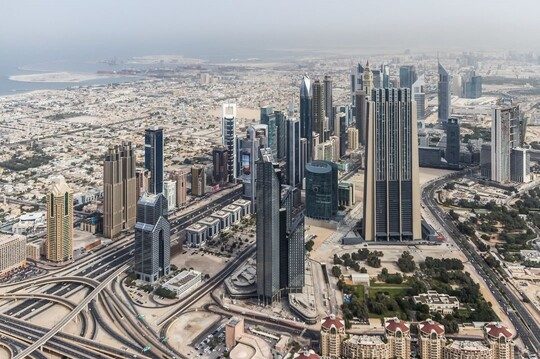
The Dubai International Financial Centre (DIFC), centrally located in Dubai, is the leading financial hub in the Middle East, providing investors and businesses with access to the United Arab Emirates’ (UAE) vibrant and opportunistic market. Setting up investment funds in Dubai offers a range of benefits to investors and fund managers. This article provides an overview of setting up an investment fund in DIFC, outlining the key benefits and different fund types available. Read more
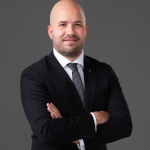
Martin Zubeldia
Martin Zubeldia
Sovereign Business Development Manager - UAE
The Dubai International Financial Centre (DIFC) and the Abu Dhabi Global Market (ADGM) are two major financial free zones in the United Arab Emirates (UAE), each with its own unique regulatory framework and legal systems based on English Common Law. There are many initiatives and projects underway to simulate growth for the financial centres. DIFC and ADGM’s expanding influence is shaping the future of finance in the UAE. The international financial centres are setting the standard and boosting the UAE’s status as a preferred ecosystem for innovation and growth. We anticipate this growth will continue to increase for the IFC’s as they develop and implement further initiatives and support for business setup in the region. Read more
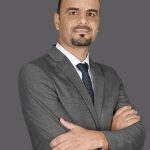
Faraz Ahmed
Faraz Ahmed
HR Consultant
The employer-employee relationship is typically outlined before the beginning of employment. This distinction is set in both the offer letter and employment contract. These documents highlight the terms of employment and establish the relationship between the employer and the employee. In the UAE comprehensive offer letters and employment contracts are crucial for setting out the terms of the employment and ensuring that they cover the business from all compliance and legal aspects. Read more
Badreddine Souissi
Badreddine Souissi
Government Liaison Manager Qatar
Qatar has recently made significant reductions to many government fees in relation to business establishments in the country. These updates, similar to recent amendments to the Cultural and Media Sector in the country, have seen some fees experience reductions of over 90%. With the new capital requirement aimed at incentivising and encouraging entrepreneurs and businesses to setup in Qatar and attracting an influx of investments into varying business sectors. These reductions extend to renewals, including commercial registration renewal fees being significantly lowered. Read more
Aligning with the UAE’s Vision 2030, Emiratisation is a crucial component in achieving the UAE’s national development and economic diversification goals. By ensuring participation of the local Emirati workforce, the UAE aims to achieve long-term economic sustainability and resilience. So, what does that mean for your business? It’s an opportunity to allow further cultural integration within your workforce. The principals of Emiratisation encourage an environment that respects and integrates local cultural values. Adhering to Emiratisation targets is not only a legal obligation, but also a strategic advantage, if engaged correctly. It opens businesses up to a whole other skilled workforce. Read more
Faraz Ahmed
Faraz Ahmed
HR Consultant
The Crown Prince of Dubai, Deputy Prime Minister, and Minister of Defence, Sheikh Hamdan bin Mohammad has launched a 105 million Dirham Mental Health Plan to assist UAE resident in coping with day-to-day life. The scheme falls into the scope of the Dubai Social Agenda 33, which aims to make Dubai the best place to live and work. The new Mental Health framework will launch early detection and support programmes to be able to identify signs of mental health struggles among UAE residents. With that in mind, it is important for companies to look internally at how and what they are doing to support employee well-being in the workplace. A stressed-out workforce is not a productive one. Make your workplace, work for your employees. We explore how a company can create a supportive environment where employee well-being matters and how best to implement these initiatives, benefits, and policies. Read more
Jonathan Kelly
Jonathan Kelly
Business Development Manager - UAE
In the United Arab Emirates (UAE), a relatively new saving plan for employees in both private and freezone sectors is available, through which workers can invest their end-of-service benefits (EOSB) in order to accrue long-term savings. This untapped opportunity offers benefits to employers and their employees alike, with no minimum salary requirement any company or worker in the UAE can start making more from their end of service. The initiative is expected to improve private sector competitiveness and attract more talent into the region. This article outlines how savings are possible with the end of service benefit scheme, and the associated benefits of the plan. Read more
Haaris Butt
Haaris Butt
Legal Council
In the digital era, data stands as one of the most valuable assets for any business. Yet, with the growing reliance on digital systems, the risk of data theft looms larger than ever. In the UAE, the average cost of a data breach reached AED 20.1 million in 2023, reflecting a significant financial burden on businesses. Beyond financial losses, companies suffer significant reputational damage, with 52% of UAE businesses reporting a decline in customer trust after a data breach. Given these stark realities, safeguarding your UAE business against data theft is a necessity for ensuring its continued success and security. This article looks at some of the essential strategies to consider for data protection and compliance. Read more
James Elliot-Square
James Elliot-Square
Commercial Director - KSA
Saudi Arabia’s Vision 2030 is ambitiously charting a new economic future, one that moves away from oil dependency and embraces a diversified economy. Central to this vision is the Nitaqat programme, designed by the Saudi Government to increase employment opportunities for Saudi nationals by classifying companies based on their compliance with Saudisation targets. In a significant shift, the Saudi Ministry of Human Resources and Social Development has approved changes to this programme which will allow certain foreign investors and other non-Saudi categories to be treated as Saudis. This move is set to benefit the labour market and business operations in the Kingdom, promoting a more inclusive and flexible economic environment. Read more
Qatar is consistently expanding opportunities for international companies seeking to establish or grow their presence in the Middle East. With a variety of jurisdictions to suit different business needs, tax incentives and easy access to capital and resources, it’s an attractive investment and business environment. The Ministry of Commerce and Industry, the main authority overseeing commercial and industrial activities, provides licences, regulates markets, and offers incentives like custom fee exemptions, income tax holidays, land allocations, and up to 100% foreign ownership. There are also four additional specialised licensing authorities—Qatar Financial Centre, Qatar Science and Technology Park, Qatar Free Zones Authority, and the Ministry of Municipality and Environment, which use a cluster approach to support specific sectors. Read more
1 7 8 9 10 11 56